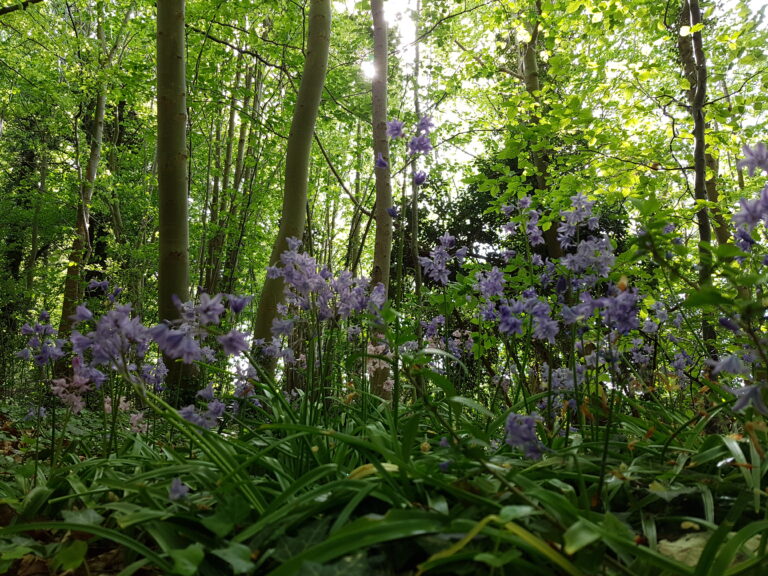
For nearly a decade, conservationists and the local community have been making the case that it is unnecessary to destroy Coton Orchard Wildlife and the landscape of Madingley Hill in order to improve public transport between Cambourne and Cambridge. Our case is that public transport should be improved by building a bus lane next to the main road between Madingley Mulch and Cambridge, rather than a new road through open countryside.
We have asked those in charge of this project to properly assess this alternative and compare the pro’s and con’s of both options. Sadly, they have not, and so our last chance is to make our case to the Planning Inspectors that have been appointed by the government. They will assess the application that has been made by our councils to build the Cambourne to Cambridge Busway.
What is at stake is not just a landscape. It is the principle of how we grow Cambridge. Do we grow responsibly and sustainably, or do we sacrifice irreplaceable habitats and the climate they support for the sake of saving a few minutes on a journey? The Planning Inspectors will give their view to the Secretary of State, who will make the decision.
It might seem a simple argument, but the detail is complex. So far 800 documents have been submitted to the inquiry as evidence. To make the best case we can to save the Orchard and its wildlife we have secured the services of a solicitor, a barrister, an ecologist, two transport professionals, an engineer and an academic with an interest in carbon emissions. Our team has been working all hours to pull together our evidence to the inquiry, which was submitted in August and you can read here.
We are incredibly grateful to the many, many people who have donated to the fundraising appeal to enable us to get this far. But we need your help for the last and most crucial stage – to ensure we have the funds to present our case and cross-examine those who would destroy the orchard. Please help if you can here.
You can also help by making a toast to our efforts with a glass of Blue Barrel Cider, which is made from apples from Coton Orchard and has been nominated for a Great British Food Award. The cider is set to feature on the menu of Cambridge’s two-star Michelin restaurant Midsummer House, with chef Daniel Clifford commenting that “It reminded me of the apples I grew up with. This kind of quality produce is gold dust. We should be supporting it, not bulldozing it.”
Public support will matter in another way too. Attendance at the inquiry is open. Members of the public are welcome – not only to show support, but to bear witness to the arguments made on both sides. The first hearings of the Inquiry will open at the Cambridge Belfry Hotel, Cambourne, on 16 September, running on multiple dates until 21 November.
This may not appear to be everyone’s fight. Yet what happens here sets a precedent for how Cambridge grows: whether the city builds by consuming what little remains of its natural heritage, or whether it chooses to protect and regenerate the green spaces on which its future depends.
Inquiry Details/Documents: