

Have Your Say on the Future of Greater Cambridge
By James Littlewood, CEO of Cambridge Past, Present & Future
Cambridge City Council and South Cambridgeshire District Council are working together to shape how our area develops over the next 20 years and beyond. Their plans are set out in the Greater Cambridge Local Plan 2025-2045. It has just been released in draft form, with a public consultation underway until 30 January 2026.
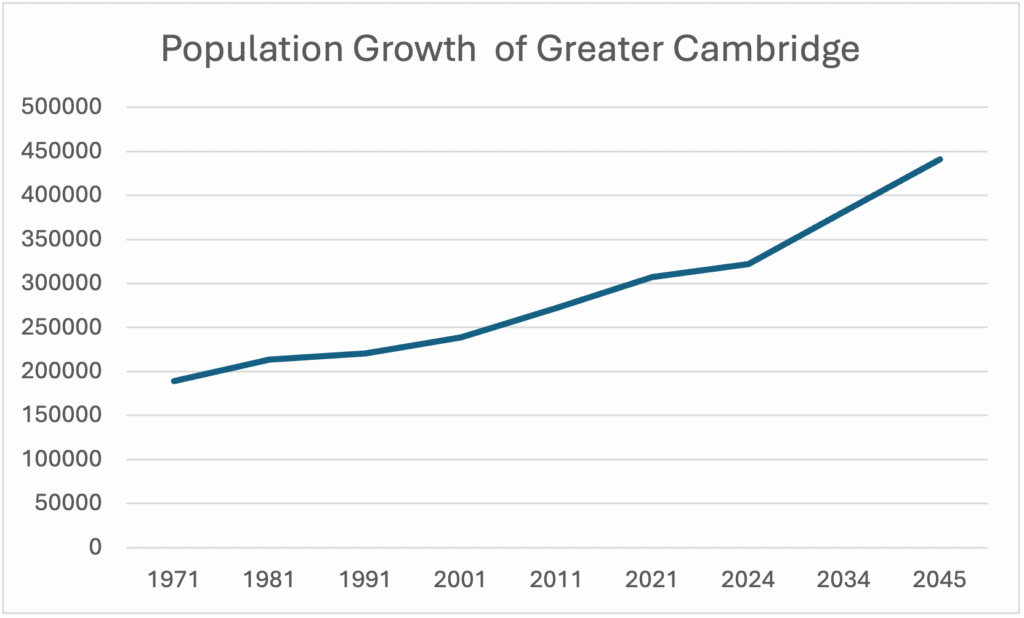
The plan is for around 50,000 new housing units and 73,000 new jobs. This would be the equivalent of building another Cambridge in 20 years. The plan will affect everyone who lives, works or visits greater Cambridge so it’s important that you have your say.
There are lots of documents and information, so here’s some helpful hints to consider.
1. What is going to be built and where?
Is development planned near where you live, work or play?
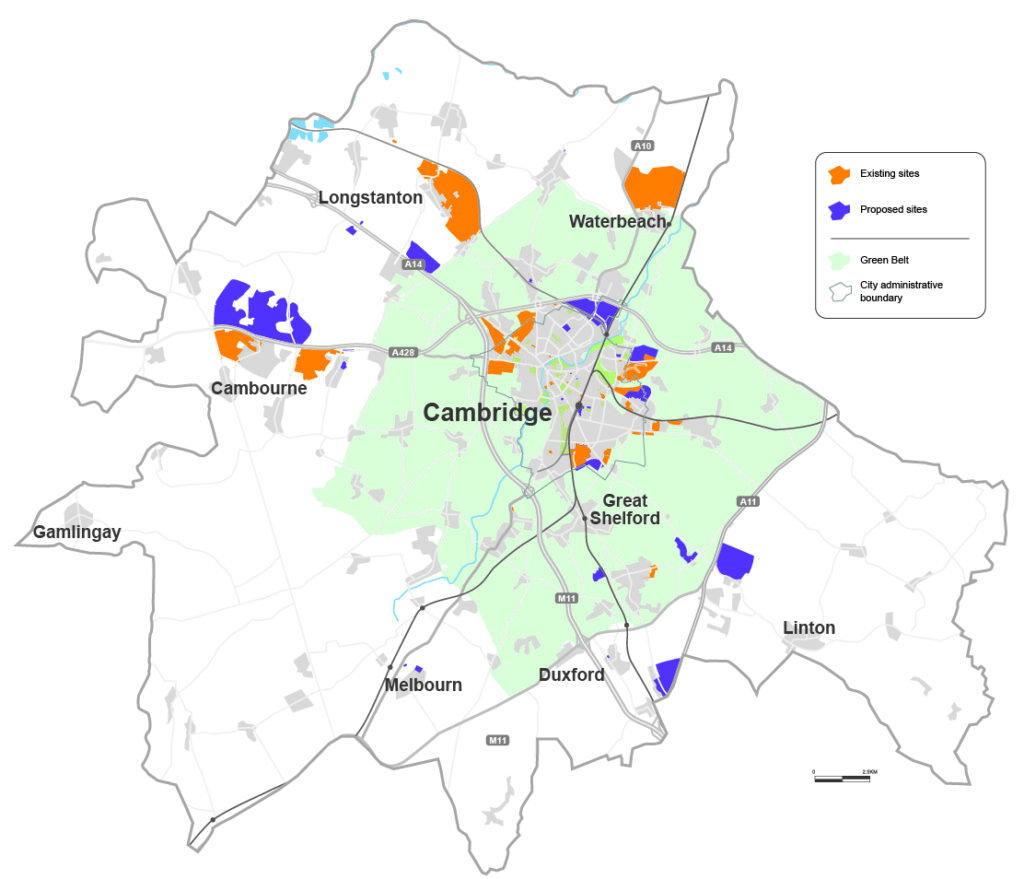
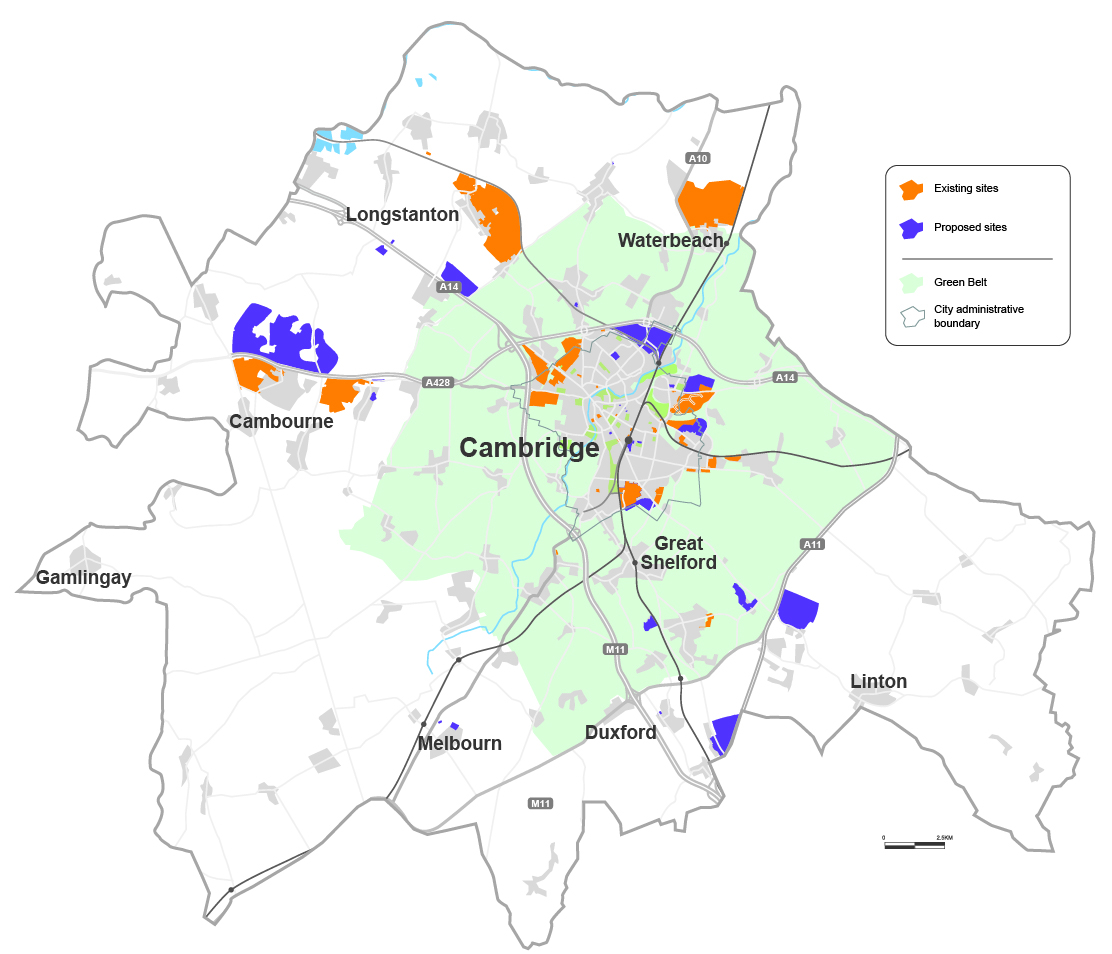
Building will continue at places that are already planned and being built, like in northwest Cambridge and the new settlements at Northstowe and Waterbeach. Sites that were proposed in previous plans are still included, such as Cambridge Airport (known as Cambridge East) and North East Cambridge (Science Park and Cowley Road).
The latest plan also identifies new locations such as Cambourne North (for 13,000 homes and employment space) and Grange Farm, near Little Abington (for 6,000 homes and employment). Within Cambridge there are numerous small sites identified for development. In the surrounding rural area, there are development sites at a number of villages including Melbourn, Caldecote, and Fulbourn. There are two large sites identified along the A14 near Bar Hill and Cambridge Services for industrial and logistic development.
2. What is not going to be built?
This is more important than you might imagine. Over 900 proposals for development were received by the councils, covering most of the land around Cambridge. Only a small number have been chosen. Those that have not, will be directing their agents and legal teams to argue for their inclusion. So, if you are happy that development has not been chosen for countryside near you, or a location that you care about, then you should respond to the consultation to say so.
As an example, there are developers promoting building on The West Fields in the green belt on the western edge of Cambridge, at Mingle Lane in the green belt at Great Shelford, and an extension to the Science Park, north of A14. Details of all the sites which landowners have put forward can be found here.
3. How are things going to be built?
A Local Plan is full of policies, this is the detail, and it matters. The policies set the rules for developers – what they can and can’t do. This includes the public benefits that developers may need to provide, such as the provision of green spaces, community buildings, transport and so on. Or requirements that developers will need to reach, such as the amount of water they will use, how tall their buildings can be, etc.
When a development is submitted for planning permission, it is assessed against the policies in the Local Plan. If it complies with the policies then it will be given planning permission. If it doesn’t comply then it can be refused permission. If the Local Plan policy allows a 7-storey building then that’s what can be built. If you think a 7-storey building in that location shouldn’t be allowed then you have to influence the Local Plan, otherwise it’s too late.
The policies apply to all development not just those identified in the Local Plan. For example, once the Local Plan is approved a new development might be proposed which wasn’t included in the Local Plan. That new development would need to be assessed against the policies in the Local Plan.
4. What is the evidence that these developments and policies are needed?
To inform and justify their decisions and policies the councils have commissioned research reports on topics including transport, water, green space, employment, heritage impact, skyline and tall buildings, and townscape. It stands to reason that if the evidence is wrong then the decisions may also be wrong, so it is worthwhile dipping into these, which can be found in the document library.
As an example, the previous local plan was based on evidence that there would be enough water for the development that was being planned, that was true, but the evidence did not say that there would not be enough left for our chalk streams and their wildlife – and we now have a water crisis as a result.
How to have your say
You can view the documents and respond to the consultation at https://greatercambridgeplanning.org/local-plan. The councils will also be getting out and about to hear views. There will be a series of drop-in sessions, and they will be going to Christmas markets, schools and community groups. Details of these are also on the consultation website.
What’s Cambridge Past, Present & Future’s opinion?
The plan’s vision is ambitious: to reduce climate and environmental impacts while enabling a thriving local economy and improving quality of life for residents – all whilst doubling the population! Is that realistic or achievable?
Our staff and expert volunteers will be pouring over the details and assessing whether this plan can truly deliver its ambitious vision while protecting the qualities that make Cambridge special. We’ll be sharing our thoughts during the consultation period, so keep an eye out for further blogs and other news.


