Why we coppice at Wandlebury
If you have walked past an area of freshly cut woodland at Wandlebury, you may have wondered why we are cutting down trees in a place we care for.
The answer lies in what grows back. and the variety of habitats that careful woodland management can create.
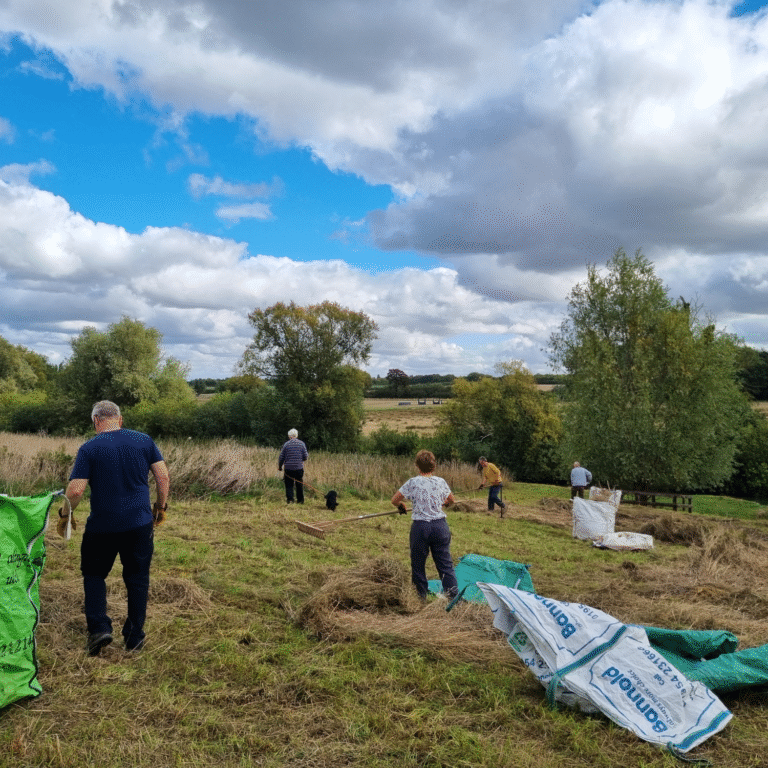
This autumn, our wardens have been coppicing near Beech Avenue, supported by volunteers helping process the cut timber. We spoke to James, our Senior Warden, about the thinking behind the work.
What is coppicing?
Coppicing is a traditional way of managing woodland. Suitable trees are cut close to ground level and then allowed to regrow, producing several new shoots from the same established base.
Over time, those shoots develop into a cluster of stems. They can eventually be cut again, continuing the cycle.
At Wandlebury, the team works on different patches in different years, with an intended rotation of around 15 years. This means the woodland contains areas at different stages of growth.
Making room for variety
Each stage offers something different for wildlife.
A recently coppiced patch allows more sunlight and warmth to reach the ground, giving plants beneath the trees an opportunity to grow. Seeds already in the soil can germinate, bringing a flush of vegetation to a previously shaded area.
As the coppiced trees regrow, they create denser cover, offering shelter and nesting opportunities. Elsewhere, older trees and decaying wood provide habitats for other species.
The aim is to maintain that variety across the woodland: open patches, thick regrowth and older trees, each supporting different plants and animals.
Standing deadwood is also retained where possible. It is a valuable part of the woodland habitat, alongside the living trees.
Putting the timber to use
Coppicing produces useful material as well as new growth.
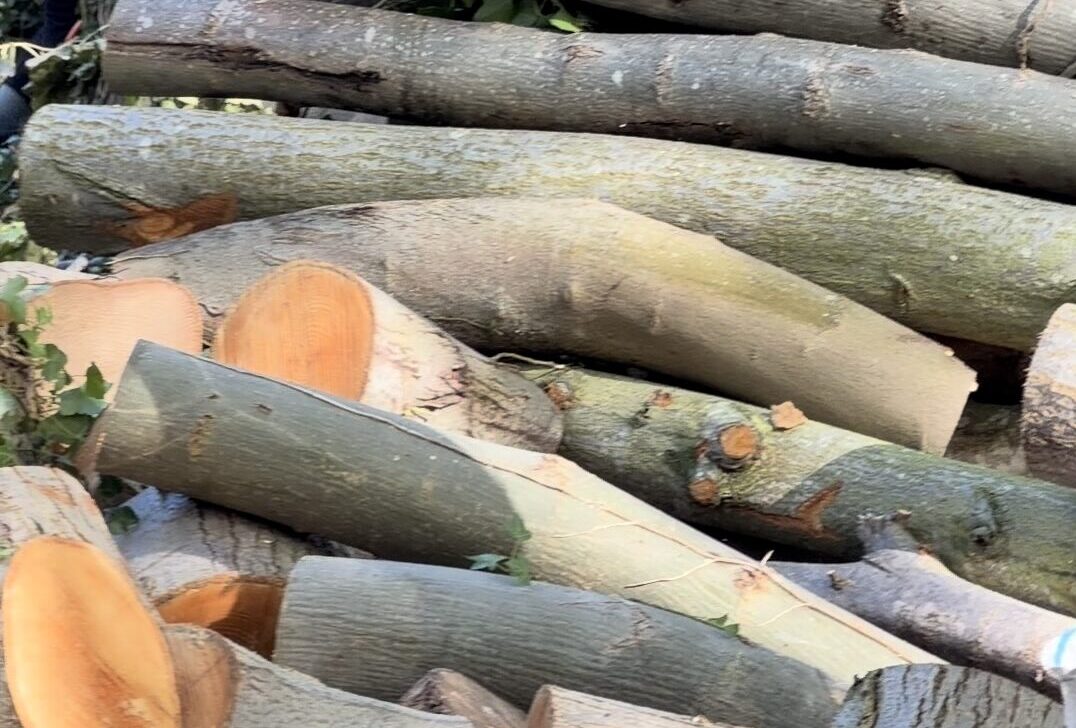
Depending on the species and size, cut timber can become stakes, bean poles, hedge binders or firewood. Processing it makes practical use of material generated through the conservation work.
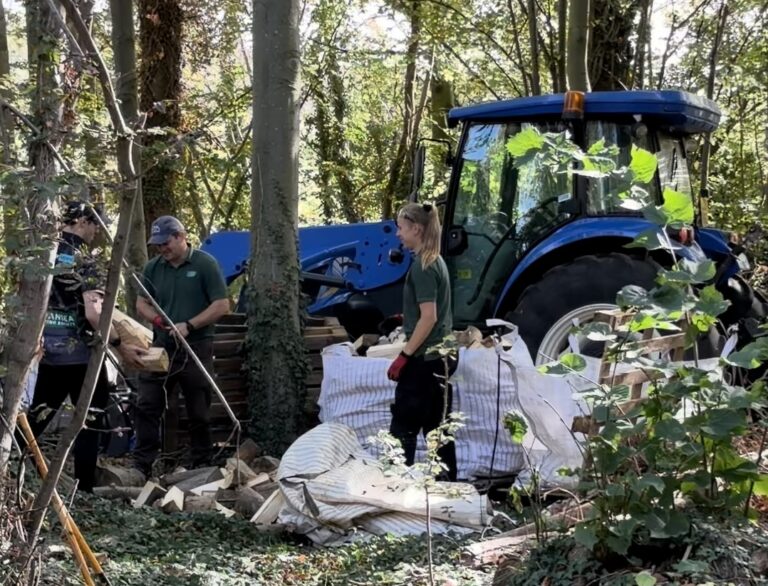
During a recent corporate volunteer day, the team helped sort and process timber prepared by the wardens. Logs were stacked and split, and suitable lengths were worked into useful products.
It is physical, satisfying work, with something tangible to show for the effort. You can also buy some of our logs here (note these are for collection only from Wandlebury).
A team effort
The wardens plan the work and carry out the specialist felling, cutting the timber into manageable lengths before volunteers take on the next stages.
James explains that this division of work makes a considerable difference. Processing every piece of timber themselves would leave the wardens with much less time for the wider woodland programme.
With volunteers helping, the team can care for more of the woodland and make better use of the material it produces.
The photographs and video from the recent session capture that shared effort: wardens and volunteers working together, with each task contributing to the next stage of the woodland’s life.
Watching it grow back
The freshly cut area is only the beginning of the story. Over the coming seasons, new shoots and ground vegetation will change its appearance again.
On future walks, look out for the differences between recently worked patches and areas where the regrowth is already established. Those changing stages are part of the conservation work, creating a woodland with a wider range of places for wildlife to live.
Thank you to the volunteers who help make this work possible, and to our members and supporters who help us care for Wandlebury.
You can purchase some of our split logs here