Partnership helps River Cam & Cambridge Nature Network celebrates 5 years
In August we successfully completed the River Cam CAN (Climate Action Nature) Project. Backed by £495,000 from the National Lottery Community Fund’s Climate Action Fund, in three years the project has raised awareness of the challenges faced by local rivers and supported people to take action, leading to direct improvements in the catchment. This included the restoration of riverbanks and chalk streams, the creation of rain gardens and new wildlife corridors, protection and support for veteran trees, and the collective growing of food. Community art initiatives and events have engaged thousands of local residents, fostering a stronger sense of stewardship and encouraging practical climate action.
The project was delivered by a partnership of local organisations led by Cambridge Past, Present & Future, including Abbey People, Cambridge City Council, CoFarm and Water Sensitive Cambridge. It was centred around the Abbey and East Chesterton wards of Cambridge and each of the project partners has carried out work to raise awareness of issues such as water scarcity, flood risk, river health, wildlife habitats and the impacts of climate change. The River Cam CAN has engaged with 27,000 people helped by over 2,000 volunteers.
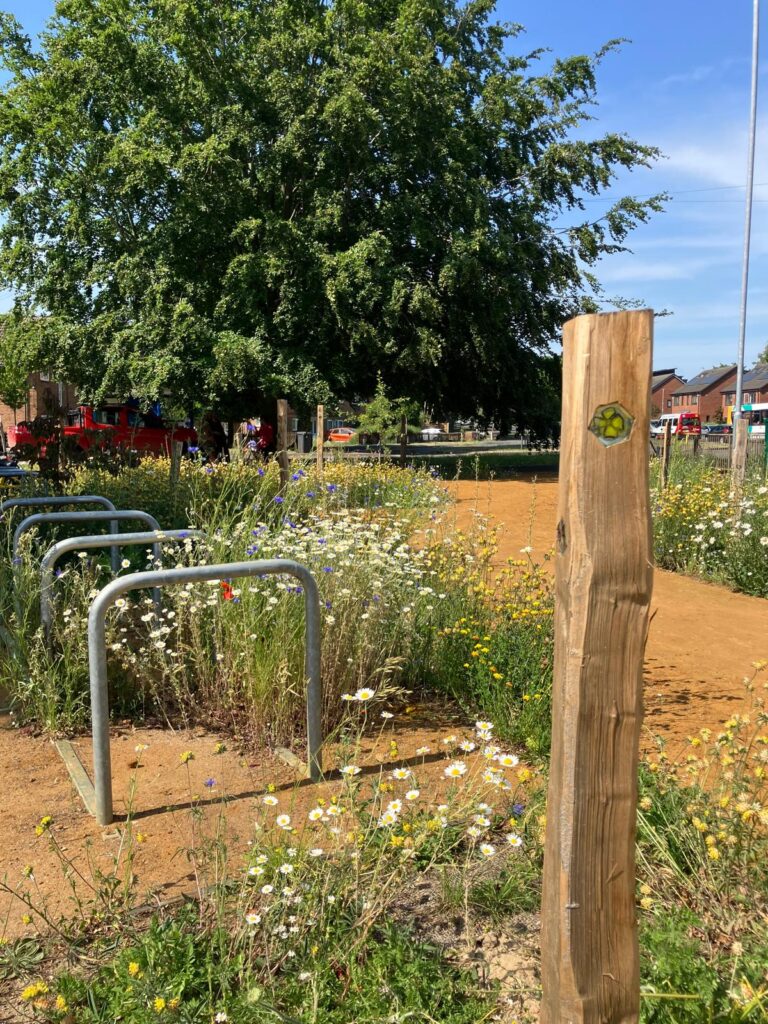
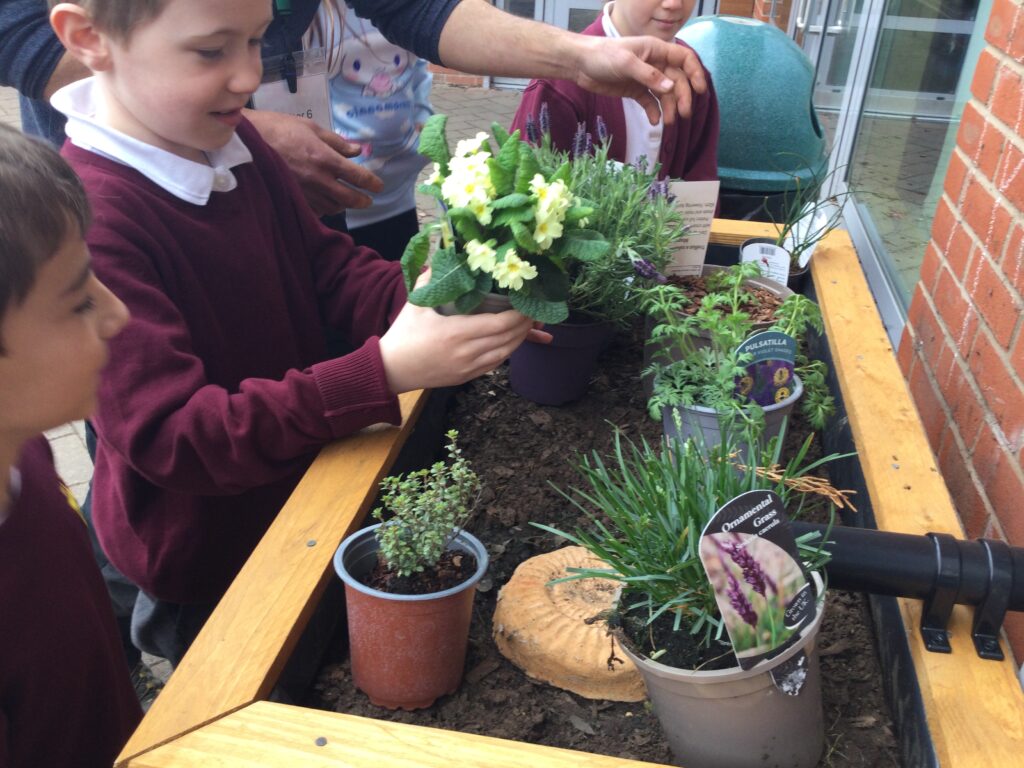
Abbey People worked with their local community on a “Seeds of Hope” project to transform land alongside Barnwell Road and Rayson Way from a temporary car park into a place for nature and people with year-round visible interest. Water Sensitive Cambridge retrofitted rain gardens into an ordinary grass verge in Fallowfield to reduce flooding and support pollinators; this involves landscaping designed to catch stormwater during heavy rainfall events.
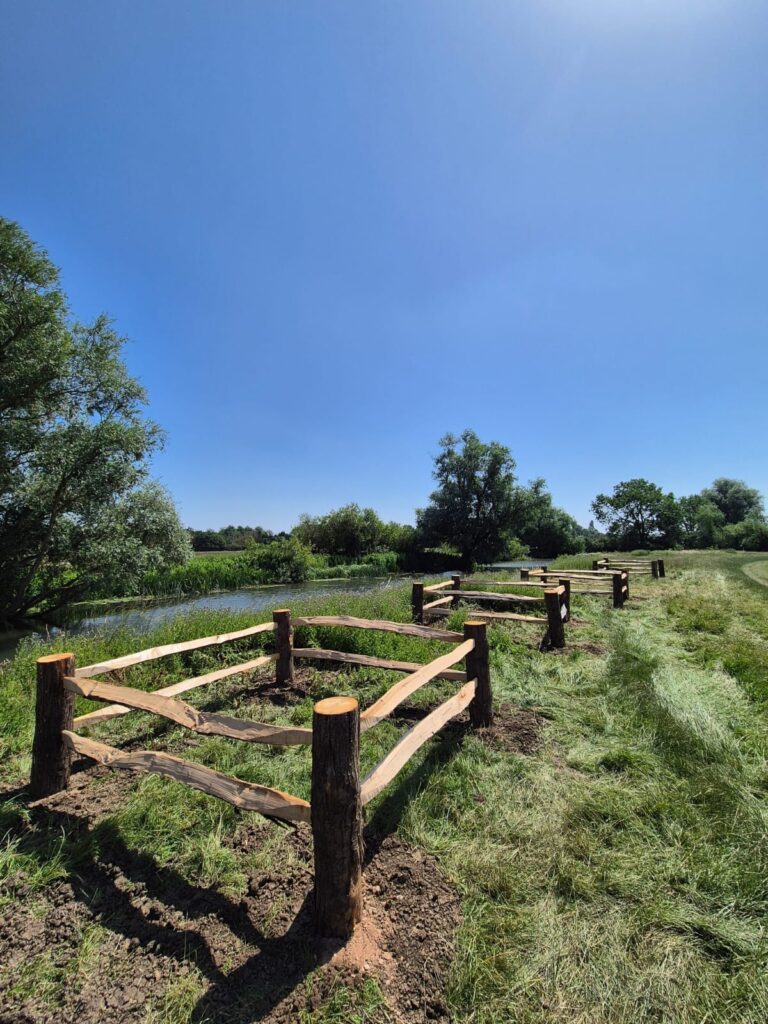
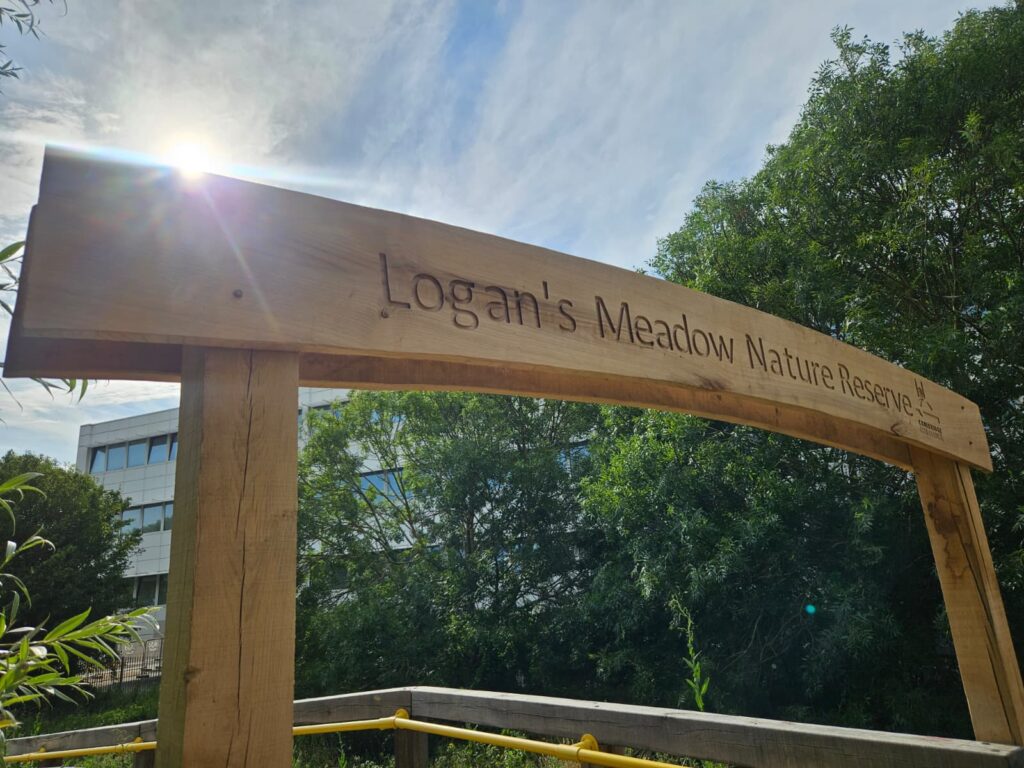
Cambridge City Council helped bring attention to our city’s iconic veteran willow trees – important for biodiversity, landscape character, cultural heritage and climate resilience. A survey found 33 individual veteran willows and 10 groups of veteran willow trees and identified 57 key sites for action. There have also been visible improvements on the ground: at Logan’s Meadow Local Nature Reserve, a new archway welcomes visitors, and a new dead hedge provides protection from dogs to young reeds in a new wetland area; at Grantchester Meadows, 15 new cattle proof tree guards have been installed, and new willow trees will be planted by volunteers in the autumn.
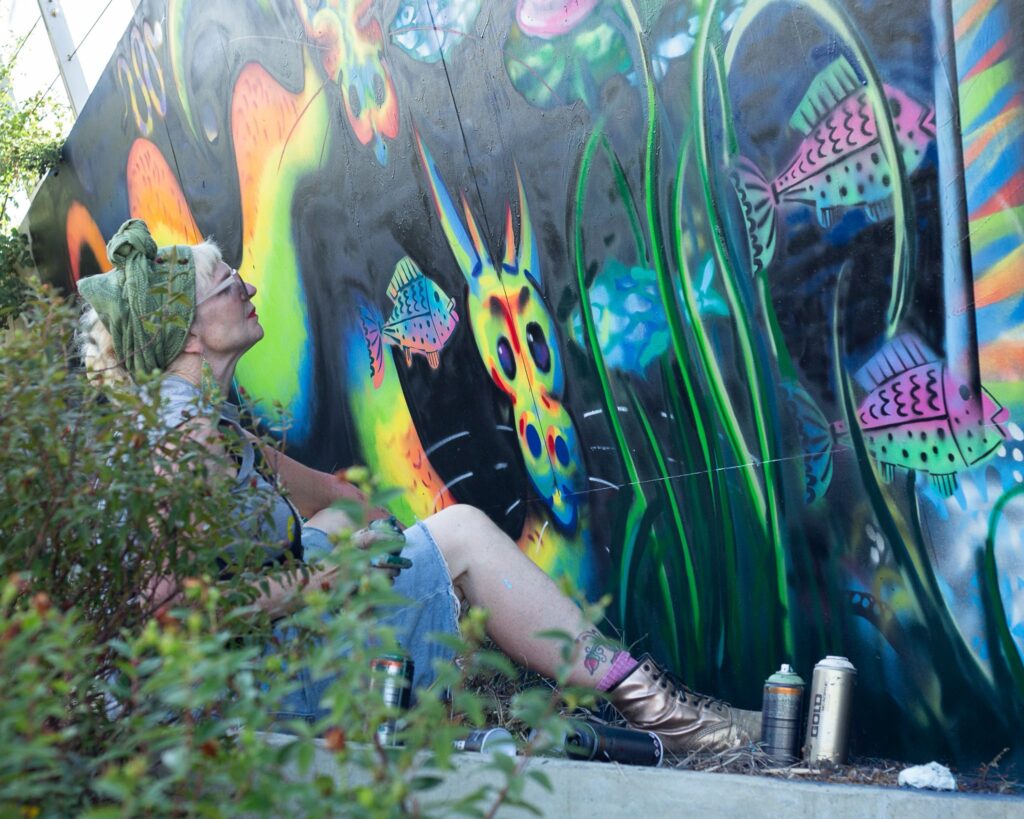
Cambridge Past Present & Future commissioned street artists to lead students from Red Balloon to create a river and nature themed mural on both sides of the Abbey-Chesterton Cycle bridge (Chisholm Trail), over the River Cam. https://cambridgeppf.org/chisholm-bridge-art-project/
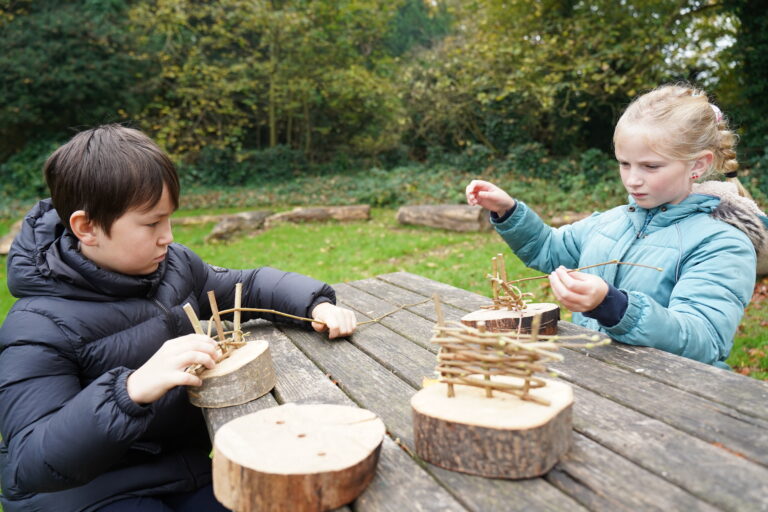
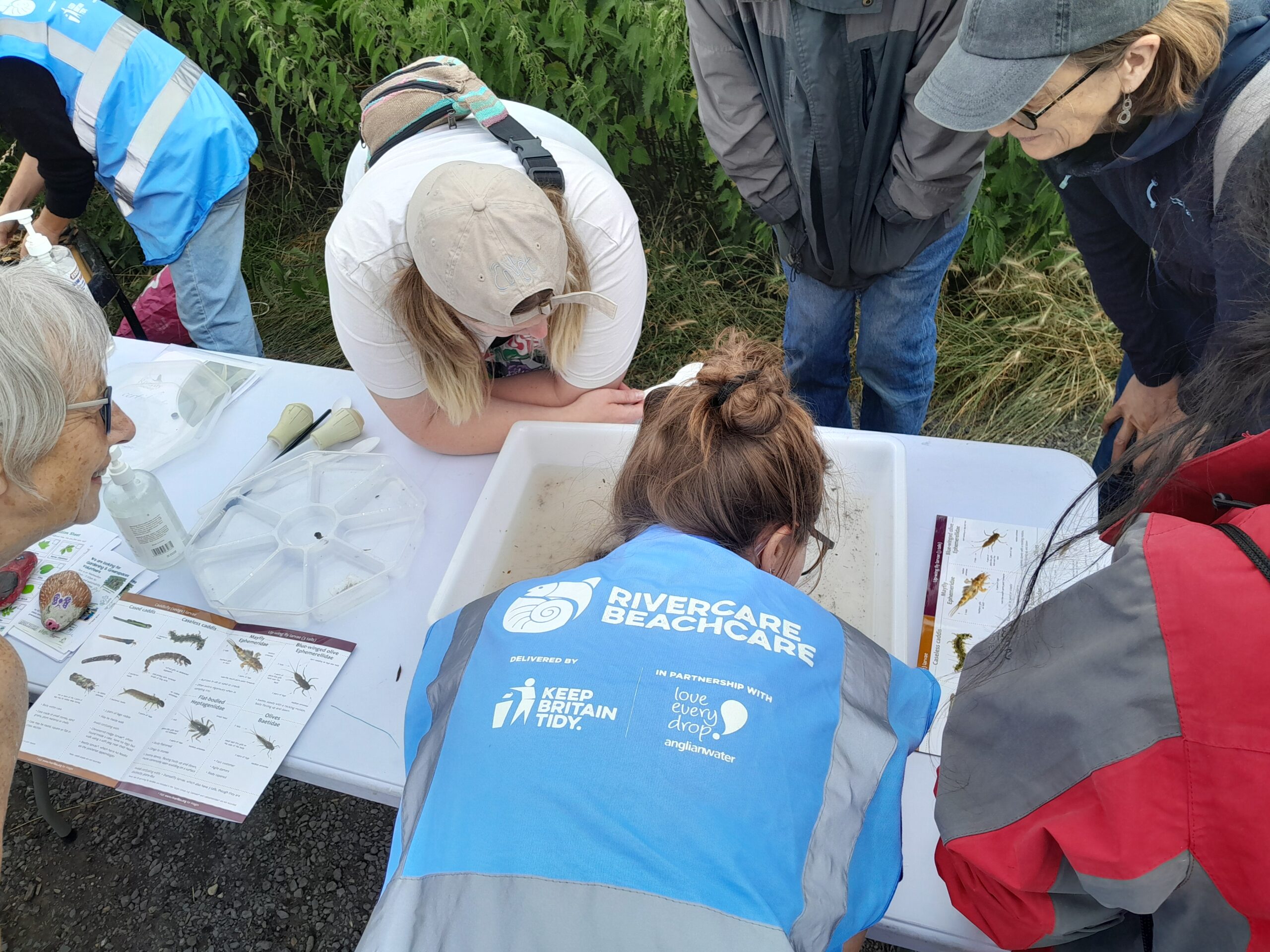
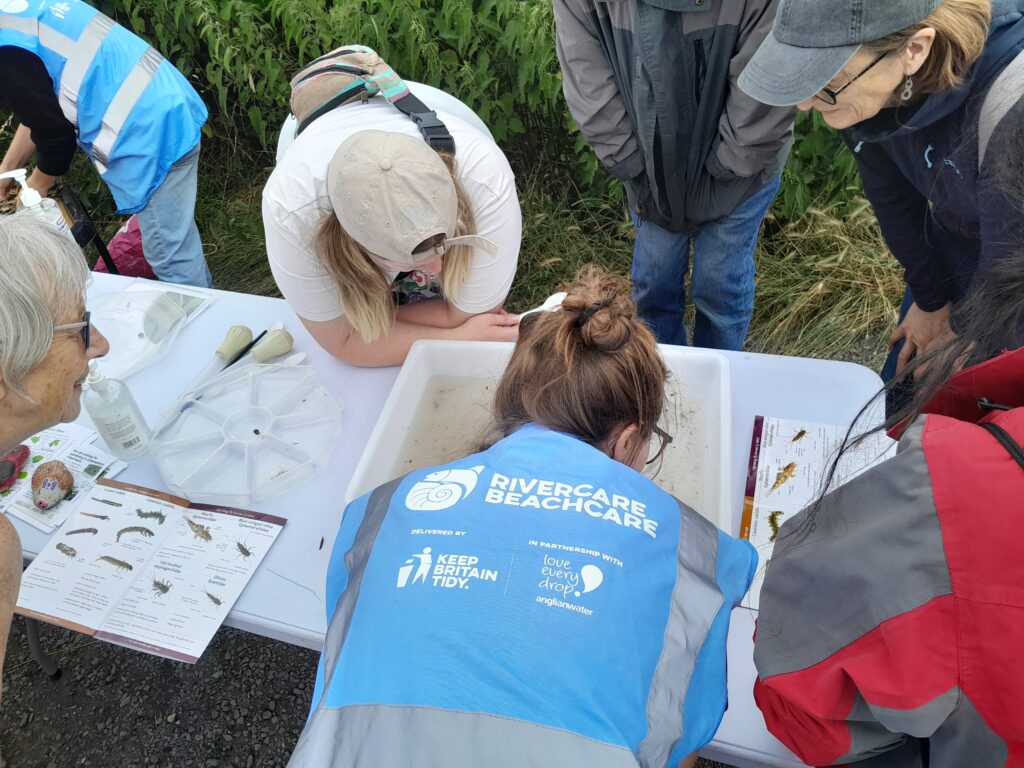
The River Cam CAN partners have engaged and inspired thousands of people through many creative activities including the delivery three Cambridge Nature Festivals, a Rivers of Film Festival that included the creation of ten short films about rivers, the installation of sustainable drainage in 7 schools, holding climate and repair cafés, weekly volunteer sessions to help pick litter, care for Coldham’s Brook and other green spaces, and storytelling workshops like Weaving With Willows brought new audiences into the conservation effort.
The project has had a profound impact on some of the participants such as Kier, “since connecting with Abbey People, a positive change for me has been the sense of community I’ve felt from meeting people regularly through the greenspaces volunteering and Coffee Morning. Seeing the same people over a period of time, week in week out, really makes a difference. It feels really good seeing the changes that the greenspaces work creates, like the Barnwell Verge: Seeds of Hope project. Whenever I cycle past the verge and see plants growing, I feel a little warmth and sense of accomplishment thinking ‘I helped with that’. Abbey People helped me make change in my life. I’m thankful and grateful.” An evaluation report has been produced that highlights some of the project impacts and has a full list of all the work that was carried out. River Cam CAN evaluation report 2026.pdf
Clara Todd, Director for Water Sensitive Cambridge reflected on the project “Rather than giving up in the face of climate breakdown, I think a better response is to stay hopeful, try new things, and build alternatives and stronger communities. A partnership project connects you with others, making your actions more effective than acting alone. The River Cam CAN has supported us all in making more places for water and nature, adapting to a changing climate, and working in a more distributed way. Doing this is good for all beings, not just human beings. It has been a brilliant experience, and it gives me more hope for the future.”
An exhibition about the River Cam CAN Project will take place from 19 October to 19 November at The Cambridge Room, Unit 55 in the Grafton Centre (opposite Decathlon), where you can find out more about the project.
The River Cam CAN is one of many projects being delivered by the Cambridge Nature Network, which celebrated its fifth anniversary earlier this year. This is a nature recovery network for the Cambridge area that is increasing the quality and amount of wildlife habitat. It is being delivered by a partnership of charities, local government, government agencies, landowners, business and local communities. The vision is for Cambridge to have significant areas of downland, fens, meadows, waterways and woodlands around it, where nature can recover and thrive and where people can experience a wilder countryside and nature on their doorstep.
Through this partnership Cambridge Past, Present & Future has secured £1m in grant funding over the past 5 years to benefit Cambridge’s nature and communities; this investment in Cambridge would not otherwise have happened. That money has enabled over 30 projects helping to deliver the ambition for Cambridge to double nature by 2050. Many of these projects have recently been added to an interactive map of Cambridge so you can see what has been happening, visit www.cambridgenaturenetwork.org/projects