Good Design Matters
By Sarah Nicholas, Principal Planning Officer, Cambridge Past, Present & Future
Greater Cambridge is changing. New homes, workplaces and community buildings are shaping the places where we live, work and spend time together. But what makes a new building a good neighbour, a welcoming place or a lasting asset to its community?
The good news is that we don’t have to look far for examples. The 2026 Greater Cambridge Design and Construction Awards show that high-quality design is already being delivered across our area. And with five projects in Greater Cambridge among this year’s RIBA East Award winners, that quality is being recognised across the wider region.
For CPPF, good design isn’t about a particular architectural style. It is about making the right response to a particular place, purpose and community, and ensuring that buildings and places are designed to last.
Four projects, four lessons
The Design and Construction Awards recognise new buildings, conservation and adaptation of existing buildings, and new neighbourhoods. These four award-winning and highly commended projects illustrate just how varied good design can be.
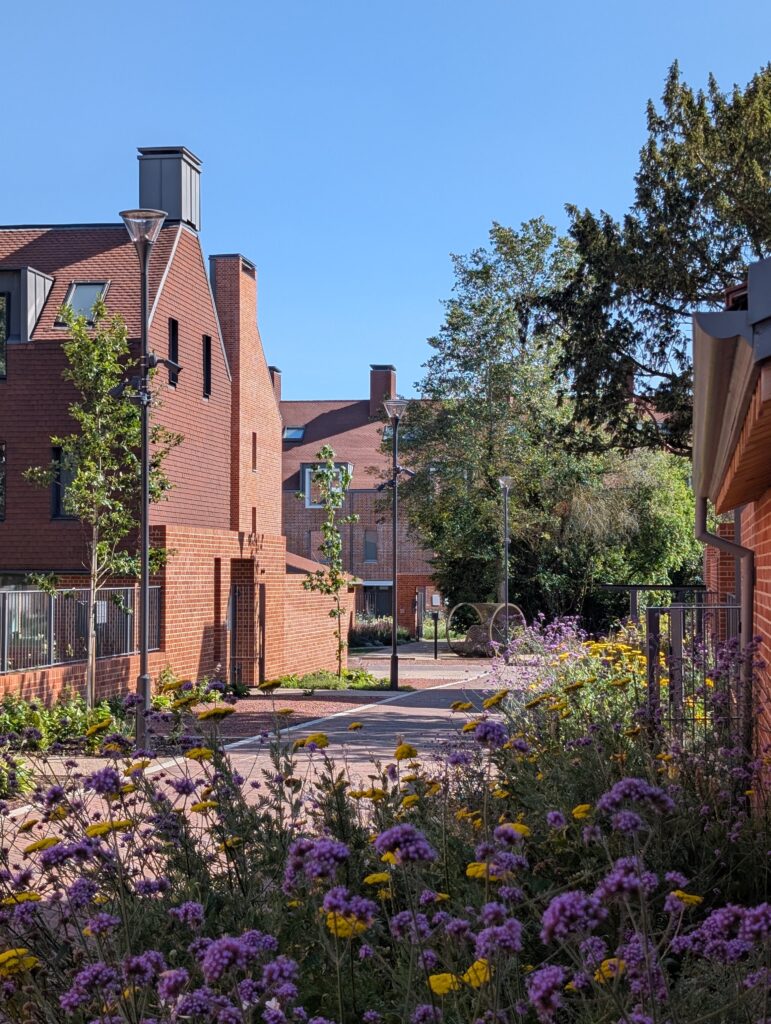
Hinsley Lane – credit Allies and Morrison
Hinsley Lane: fitting into its surroundings
Winner of Best New Neighbourhood, this Passivhaus-certified scheme for St John’s College provides 245 student rooms in 39 townhouses, arranged as terraces around shared gardens and a new central lane.
It demonstrates the importance of responding sensitively to context. Good architecture doesn’t always need to shout. The best buildings understand their surroundings, their scale and their relationship with neighbouring buildings and spaces.
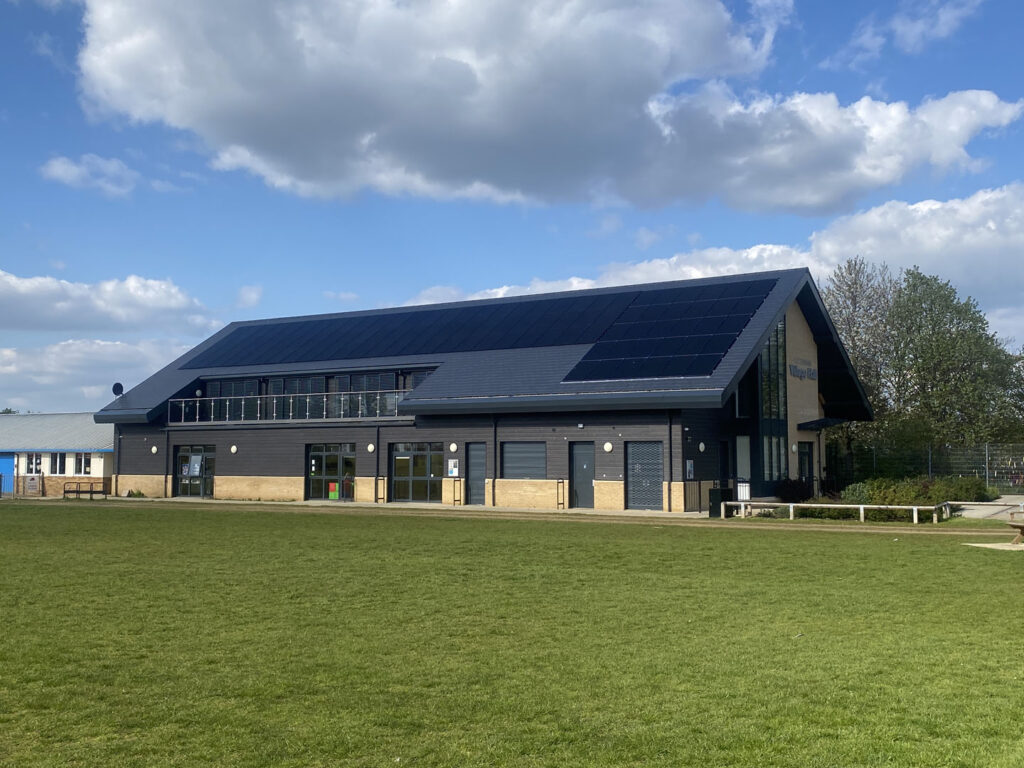
Cottenham Village Hall Credit Wilby & Burnett
Cottenham Village Hall: everyday buildings matter
Winner of Best New Building under £3 million, Cottenham Village Hall shows that good design isn’t reserved for major developments or prestigious institutions.
A village hall is an everyday building, but it is also an important piece of community infrastructure. Thoughtful design can make such places welcoming, flexible and a genuine asset to their communities.
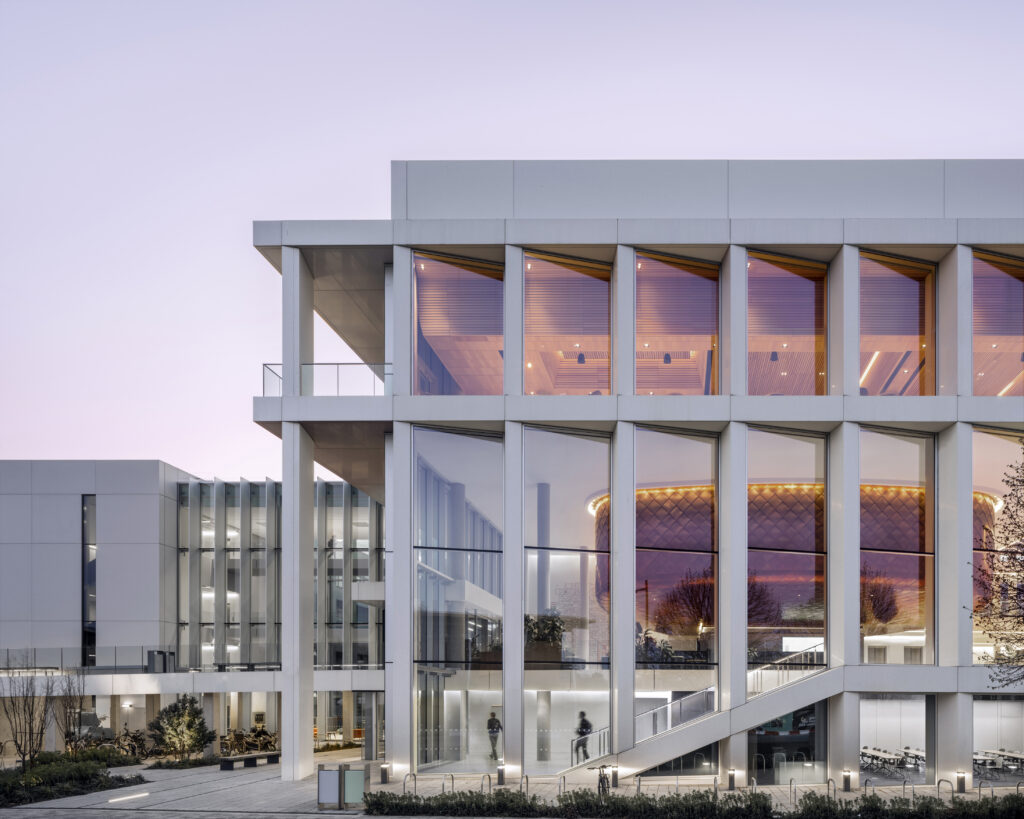
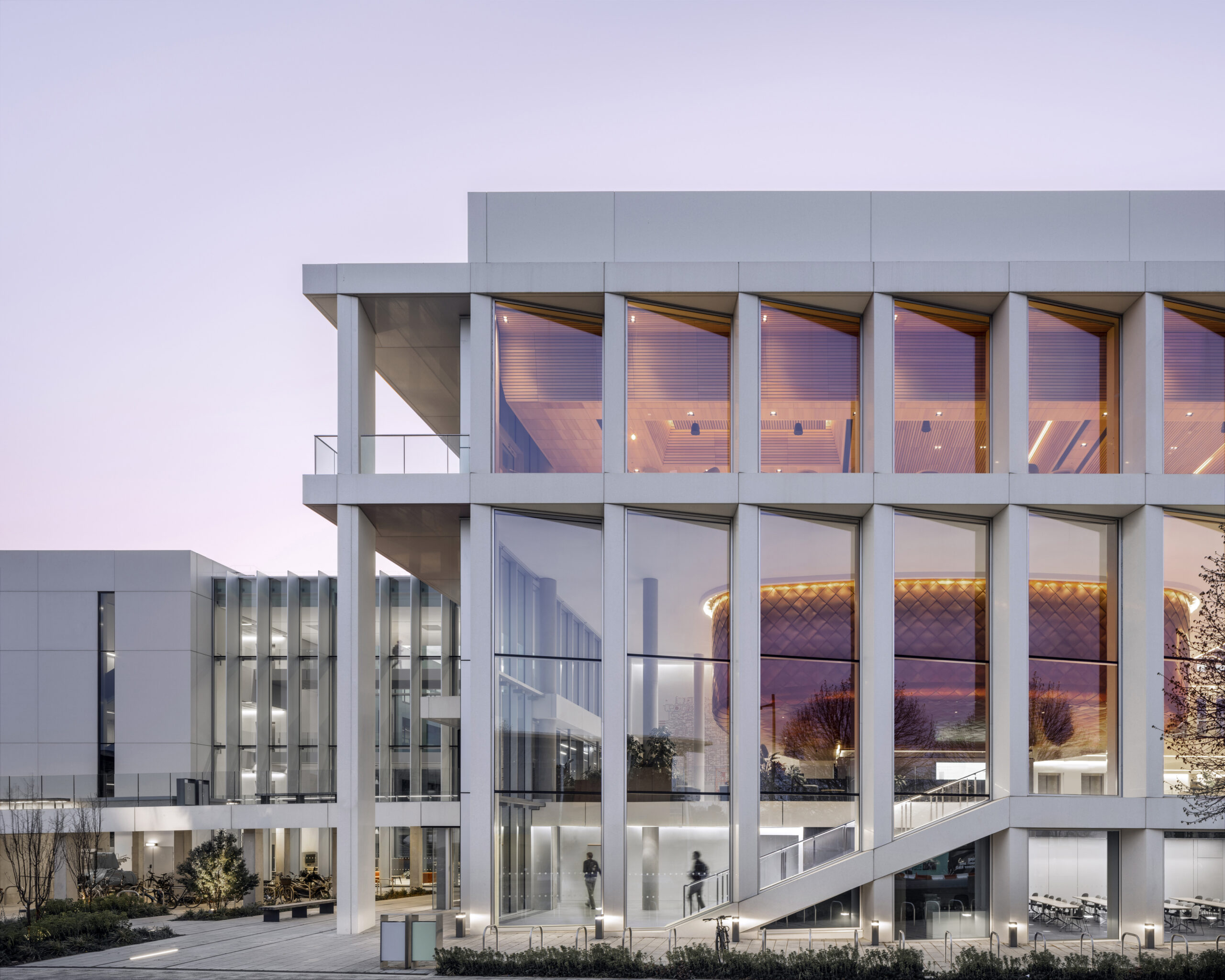
Ray Dolby Centre – Credit Photographer Kilian O’Sullivan Architect Jestico Whiles
Ray Dolby Centre: ambition with purpose
At the other end of the scale, the Ray Dolby Centre on the Cambridge West site demonstrates what can be achieved when architectural ambition is combined with demanding technical requirements.
A major scientific research building needs to work exceptionally well for its users. It can also contribute positively to its surroundings and demonstrate high standards of environmental performance and adaptability.
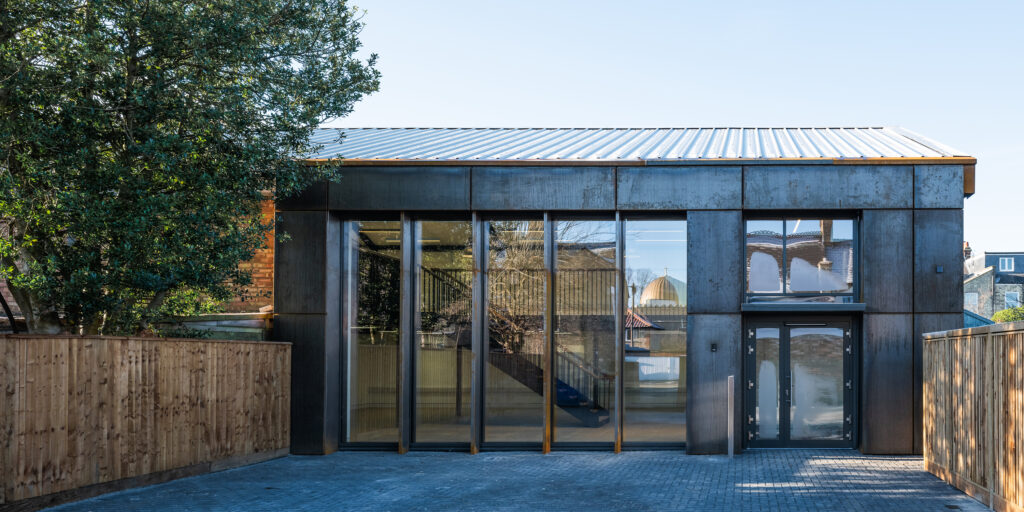
Vinery Road Office – Credit Photographer Richard Fraser Architects Owers Warwick Architects
Vinery Road Office: a new life for an existing building
Vinery Road Office provides an important lesson about making better use of what we already have.
Highly commended for its adaptation of an existing building into a high-quality workplace, the project demonstrates that good design does not always mean demolition and starting again. Reuse, creativity and careful detailing can transform challenging sites and existing buildings.
Explore all the winning and highly commended projects.
Together, these projects make an important point: good design doesn’t have a single look. It can be a village hall, a research centre, an adapted workplace or a carefully considered new neighbourhood. What they share is attention to place, purpose, sustainability, materials, people and the quality of the finished result.
Cambridge is already setting a high standard
The Greater Cambridge Design and Construction Awards are not the only recognition of this quality.
Five of the 13 projects receiving 2026 RIBA East Awards are in Greater Cambridge:
TTP Campus in Melbourn
Rubicon, a residential development at Eddington
Pembroke Mill Lane
More’s Meadow, new almshouses in Great Shelford
River Wing at Clare College
That is a remarkable achievement, reinforcing the message that Greater Cambridge is capable of producing buildings and places of regional significance.
It is also encouraging that recognition is being given not just to spectacular new buildings, but to projects demonstrating reuse, retrofit, sustainability, conservation and careful responses to their settings.
Why does this matter to CPPF?
CPPF has long argued that good design should be at the heart of decisions about the future of Greater Cambridge.
We know that the area needs new development. We also know that development can bring enormous benefits, including new homes, jobs, facilities and investment. But growth should not mean accepting mediocre design or buildings that simply meet the minimum requirements.
The awards demonstrate what can be achieved when good design is made a priority. The skills, expertise and ambition already exist here.
The challenge is to make that quality the norm rather than the exception.
As Greater Cambridge faces another period of substantial growth and change, we should be asking not simply “Can this be built?” but “Will this make Cambridge and its villages better places?”
Good design can help us answer that question positively.
And perhaps that is the most important lesson from this year’s awards: Greater Cambridge already knows how to deliver good design. We should expect nothing less.