CPPF and King’s College strengthen partnership for Cambridge
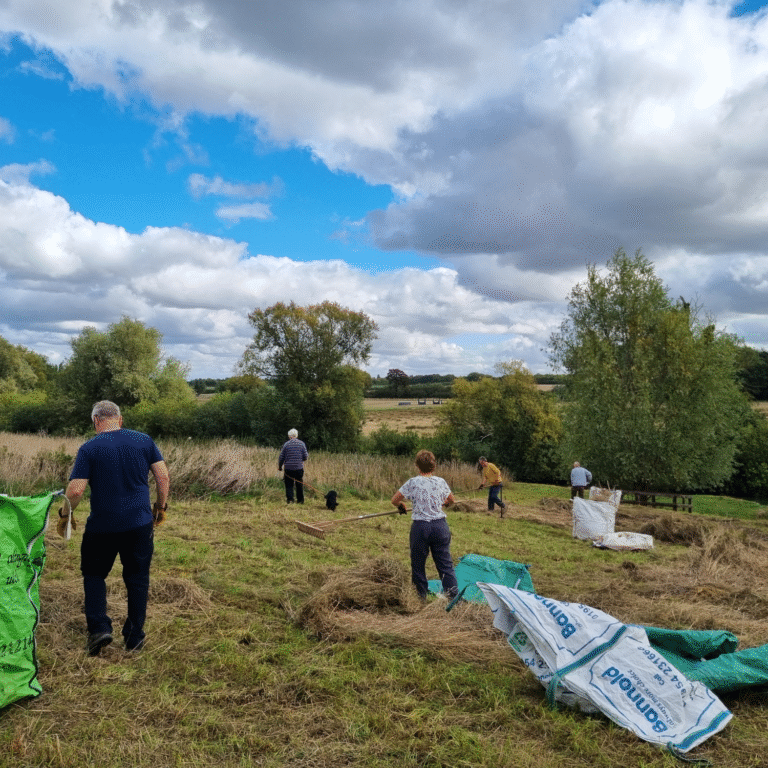
Grantchester Meadows is one of Cambridge’s best-loved green spaces. The meadows beside the River Cam are owned by King’s College and managed by Cambridge Past, Present & Future. Today we’re announcing a new civic partnership with King’s, building on our work together at the meadows and opening up opportunities to care for more of the places that make Cambridge special.
CPPF has helped protect the countryside around Grantchester since our charity was founded in 1928. Over the past two years, we’ve worked with Kin’s College to care for this much-loved stretch of the River Cam for wildlife and for the people who spend time there. That work has built a strong relationship between the college and our charity, and both organisations are keen to build on it.
The new civic partnership gives us a way to do that. We’ll be able to share our experience and explore where we can work together to protect Cambridge’s natural and historic environment.
A recent survey gave people who use the meadows a chance to tell us how they spend time there and what they value about the landscape. What we heard will help shape how we care for the meadows, so people can continue to enjoy them while we protect the wildlife that depends on them.
Mike Hakata, Chief Executive of Cambridge Past, Present & Future, said our partnership with King’s was “built on a strong foundation of trust and practical collaboration”. He added: “By bringing together our respective strengths, we have an opportunity to make an even greater contribution to Cambridge and the communities who call it home.”
Dr Ivan Collister, First Bursar at King’s College Cambridge, said: “For over a year we have been successfully working with CPPF to improve Grantchester Meadows for the benefit of local communities and the wider city. Now we are delighted to take this partnership a step further, deepening our relationship with CPPF, opening up opportunities for our students and staff, and supporting our commitment to environmental sustainability.”