Stewarding Cambridge Through a Decade of Change
By James Littlewood
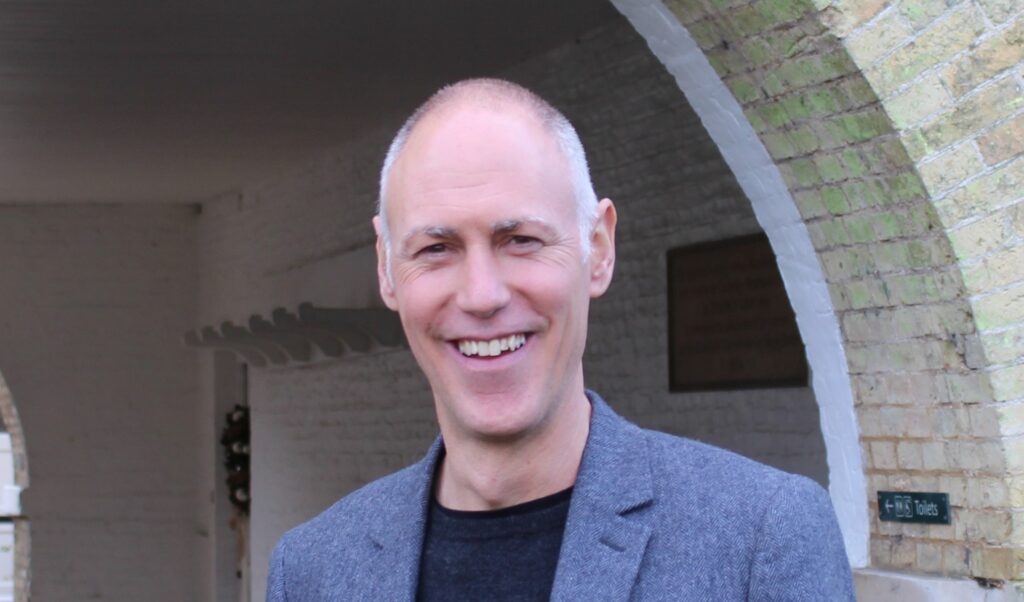
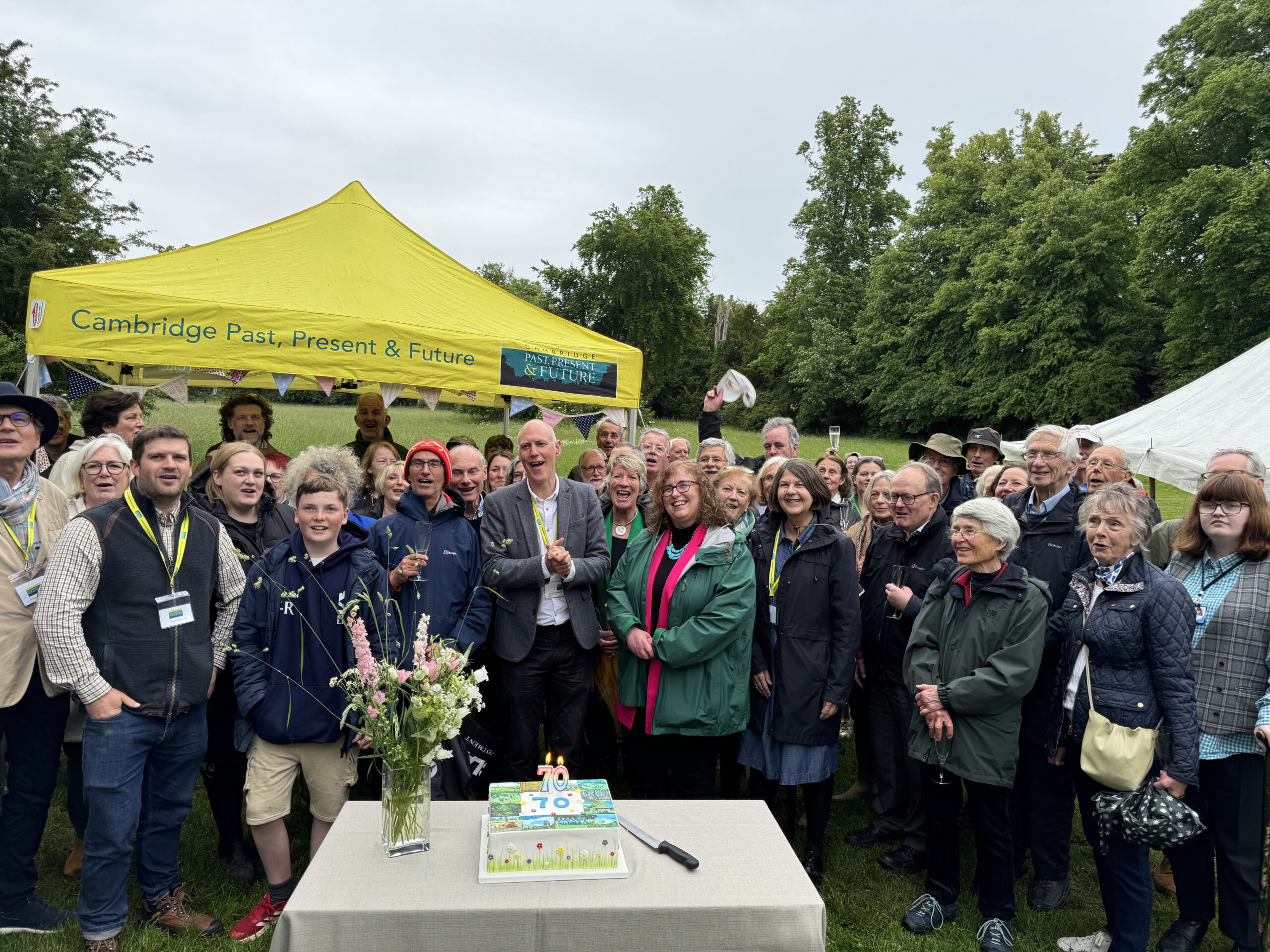
After 9 ½ years I will be leaving Cambridge Past, Present & Future on 12 June. It has been a wonderful a rollercoaster ride.
Over the past decade greater Cambridge has seen significant change and growth, there have been 17,700 houses built, 40- 50,000 jobs created and the population has increased by around 50,000. Whilst the Cambridge economy has been a success story, we now know that the Cambridge environment is towards the bottom of the league. Research has identified that Cambridgeshire is one of the most nature depleted counties in the UK, which is one of the most nature depleted countries in the world.
Our chalk streams ran dry, the equivalent of the canary in the coalmine dropping dead. This resulted in significant research and campaigning and eventually the admission that Cambridge does not have enough groundwater supplies for both people and nature, let alone to support the levels of growth that were being planned. Our councils have declared emergencies for both climate and nature.
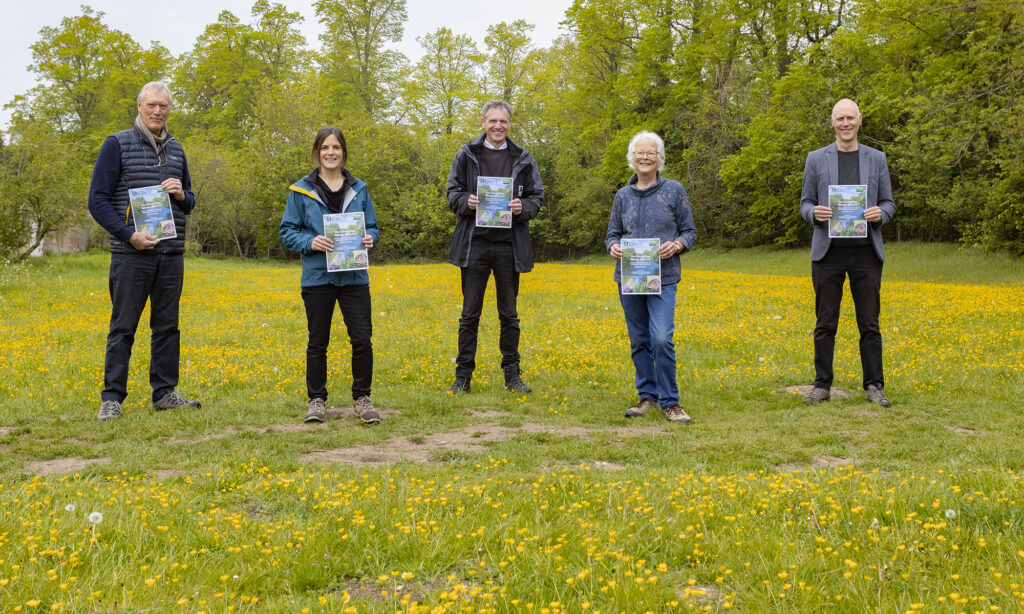
In 2020 the covid pandemic had a significant impact, at first we lost all the visitors to our green spaces and then those green spaces became a lifeline. Coping with this was a challenge for our charity but the aftermath of the pandemic saw a change in government policy towards health and wellbeing and the important role that nature and green spaces play in this, and this shift has helped our mission.
I am incredibly proud of the way that CPPF has responded to the challenges of growth, environmental degradation and wellbeing:
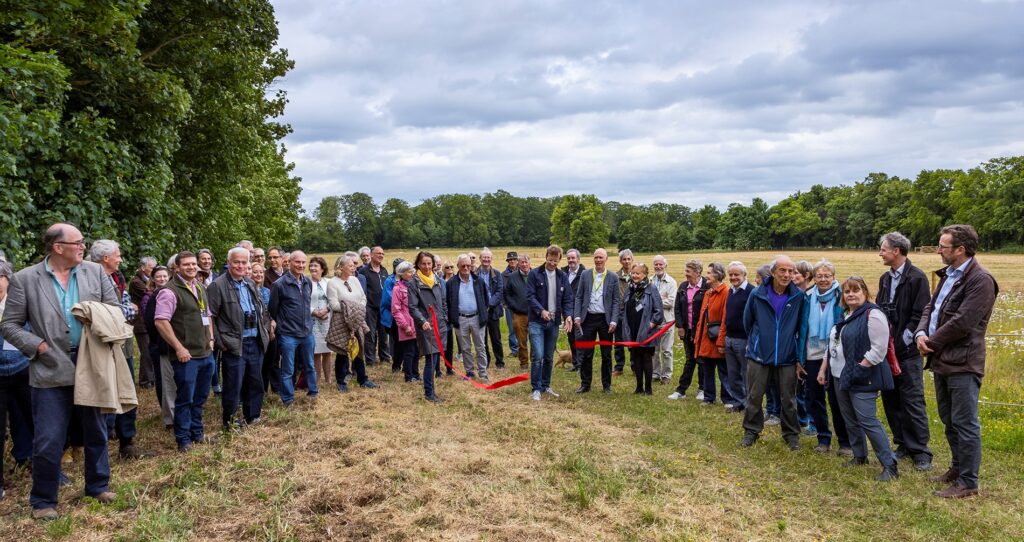
Between 2020 and 2021 we were able to buy three pieces of land adjacent to Wandlebury to increase the size of the park by 25%. This included transforming 20 acres of former arable farmland into a mixture of meadow, woodland and amenity parkland.
Working with other like-minded organisations we helped to establish the Cambridge Nature Network, a nature recovery network for the Cambridge area to increase the quality and amount of habitat. Through this partnership we have secured £1m in grant funding over the past 5 years to benefit Cambridge’s nature and communities, this is investment in Cambridge that would not otherwise have happened. That money has delivered over 20 projects helping to deliver the ambition for Cambridge to double nature by 2050.
At our Coton Countryside Reserve we have set out an ambitious vision to create a large new nature reserve to serve the growing city. As a start, we have transformed 20 acres of former farmland into a mix of meadow, scrub and woodland and we have rewilded another 12 acres. We have an ambitious plan to create a large new wetland in partnership with Anglian Water, and perhaps my biggest regret is not seeing the wetland project through to completion.
In 2024 we entered into a new partnership with Kings College to improve the management of Grantchester Meadows, so that they are better protected and improved for nature and people.
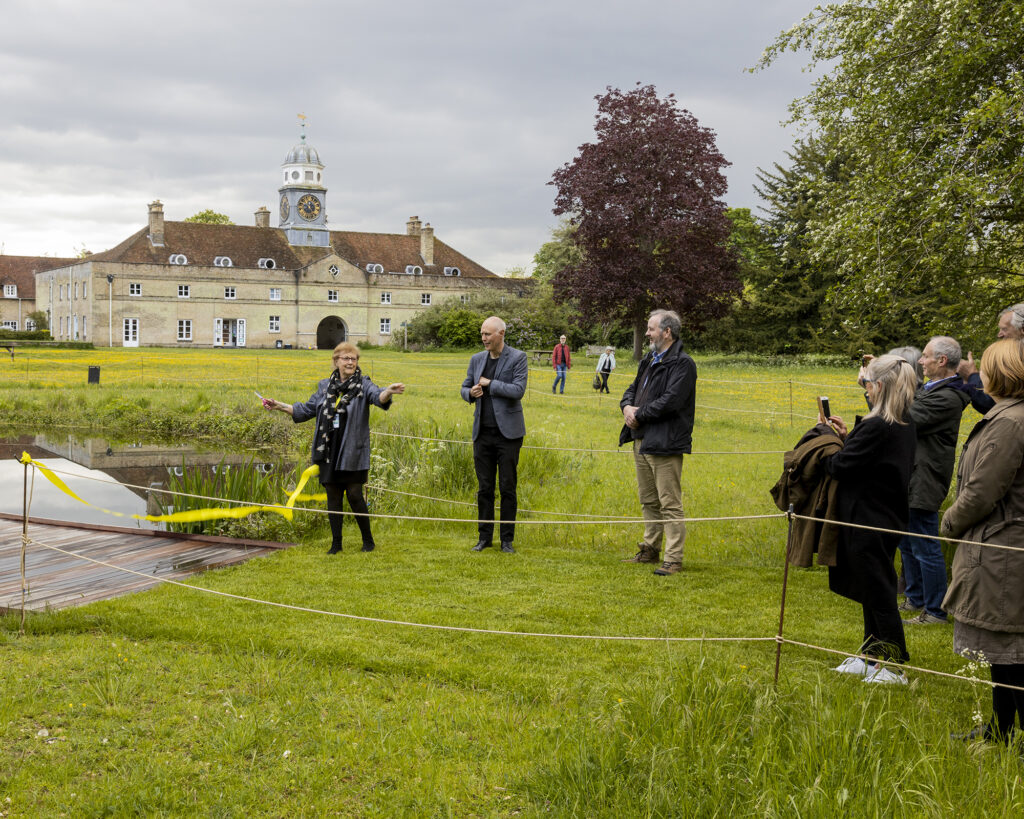
There’s much more too. We created a large new pond at Wandlebury, we have taken on the ownership of a small woodland near Little Shelford and the ownership of the Orchard Tea Room at Grantchester.
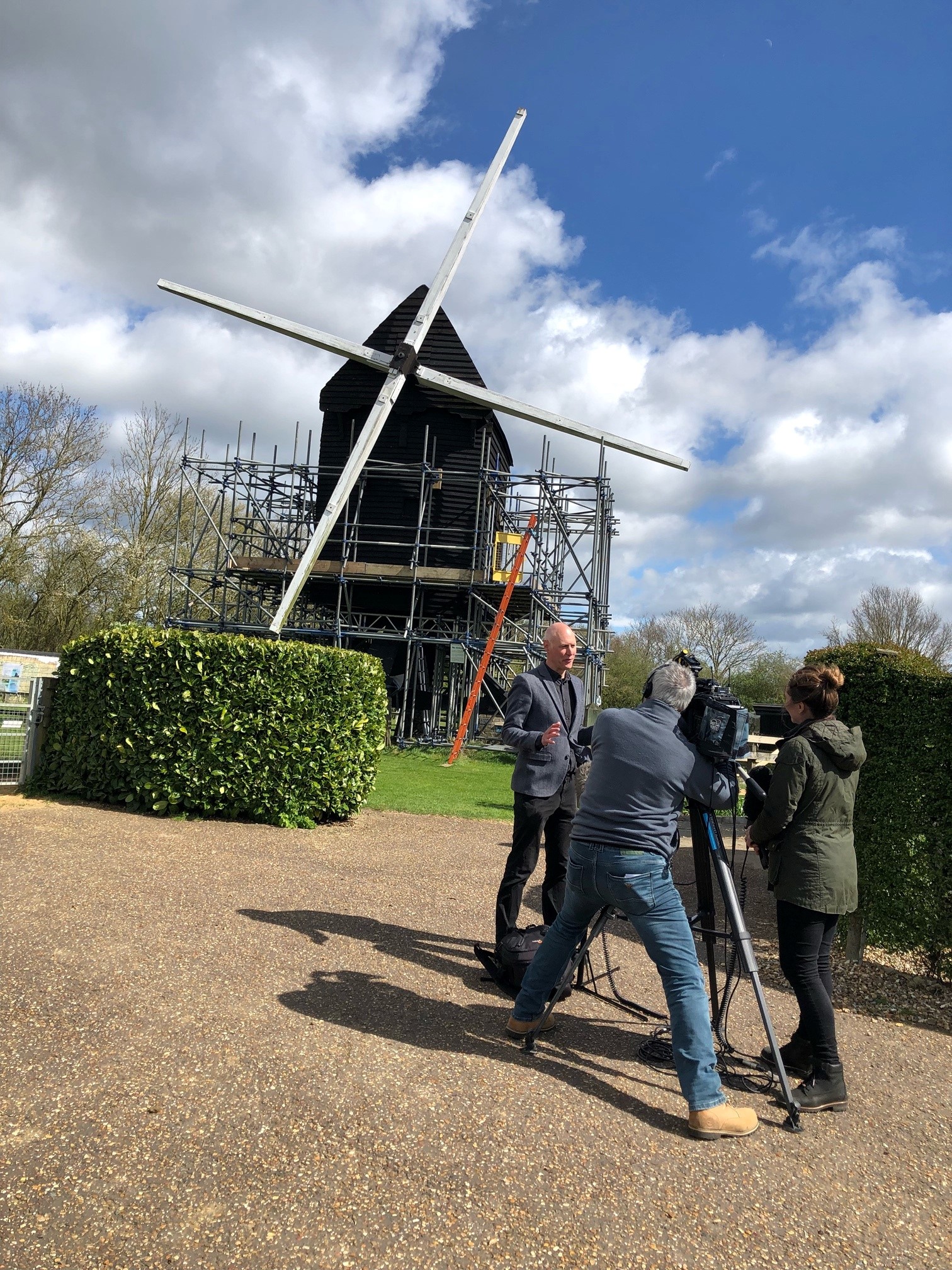
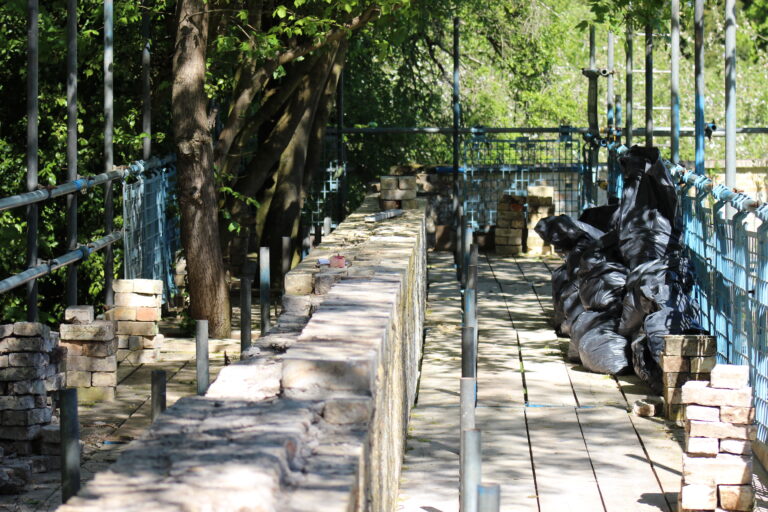
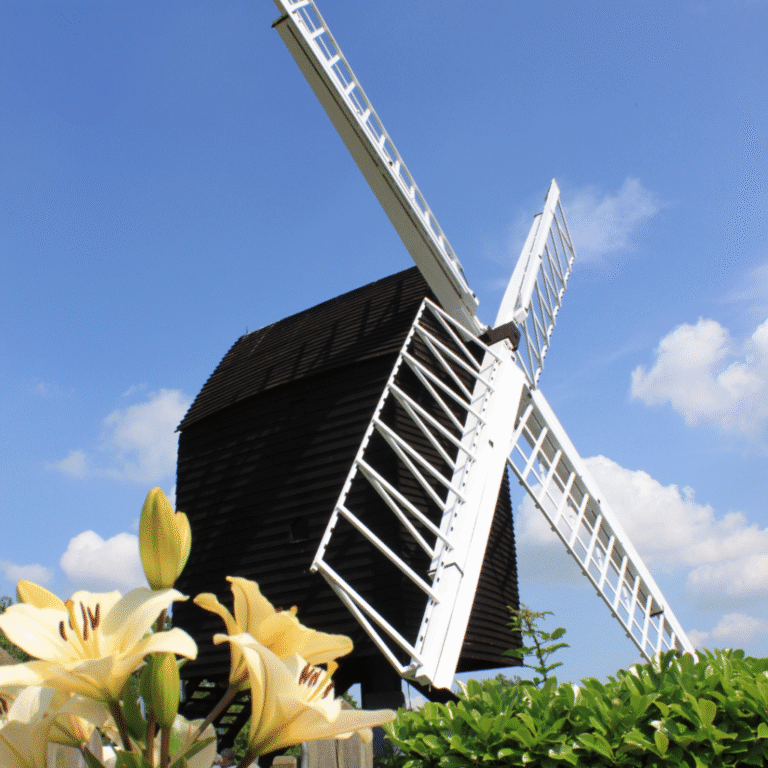
Our heritage is at risk too. In 2023 we saved the UK’s oldest windmill, at Bourn, from collapse and restored it. We have repainted Hinxton Watermill and at Wandlebury Country Park we have repaired the 18th century wall and reduced the risk of tree damage to the Iron Age hillfort.
In Cambridge, we facilitated the building of a new cycle route on our charity’s land and used the Chisholm Trail project as a springboard to take back control of Barnwell Meadows and restore its ecological value. We have also invested significant effort developing a project to conserve the Leper Chapel and bring it into community use and we are still working to secure the funds needed for this.
Faced with plans for the rapid growth and development of Cambridge we have been investing more of our resources into influencing the future of our beautiful city. Backed by more members, our influence has grown and I would like to think that we have played a leading role in helping Cambridge towards a more sustainable future. The new draft Local Plan is significantly better, from an environmental perspective, than the one that was produced between 2014-2018 and our early discussions with the Cambridge Growth Company indicate that they want to see development growth matched by environmental improvements, such as those we have set out in the Cambridge Nature Network. We are still waiting to hear from the government whether our campaign has been successful for a less environmentally damaging route for the Cambourne-Cambridge Busway.
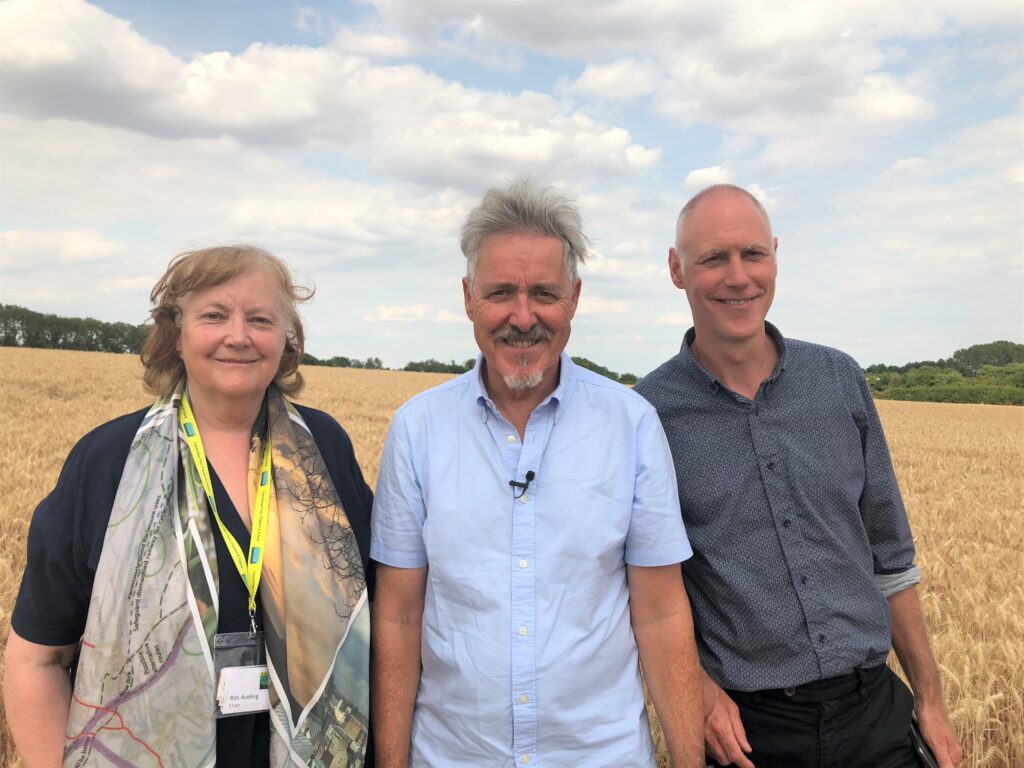
CambridgePPF’s work is about people as much as place: providing opportunities for people to get involved, to engage and to learn. Over the last 10 years our sites have received more than a million visits, we have organised over 1,000 events for the public and educated 12,000 school children. Hundreds of people have volunteered their time to help our charity, including 30,000 hours of work supporting our Estate Team. We have also taken on the Cambridge Blue Plaque scheme, expanded it to South Cambridgeshire and installed 15 plaques to recognise remarkable people and events.
Reflecting on the charity’s achievements of the past decade, they were only possible thanks to the supporters of our charity – who generously gave their time, money or influence to make things happen. I am incredibly grateful and humbled by the support that the trustees, staff, volunteers and members have given to me and to the charity – please help it do amazing things for the next 10 years.
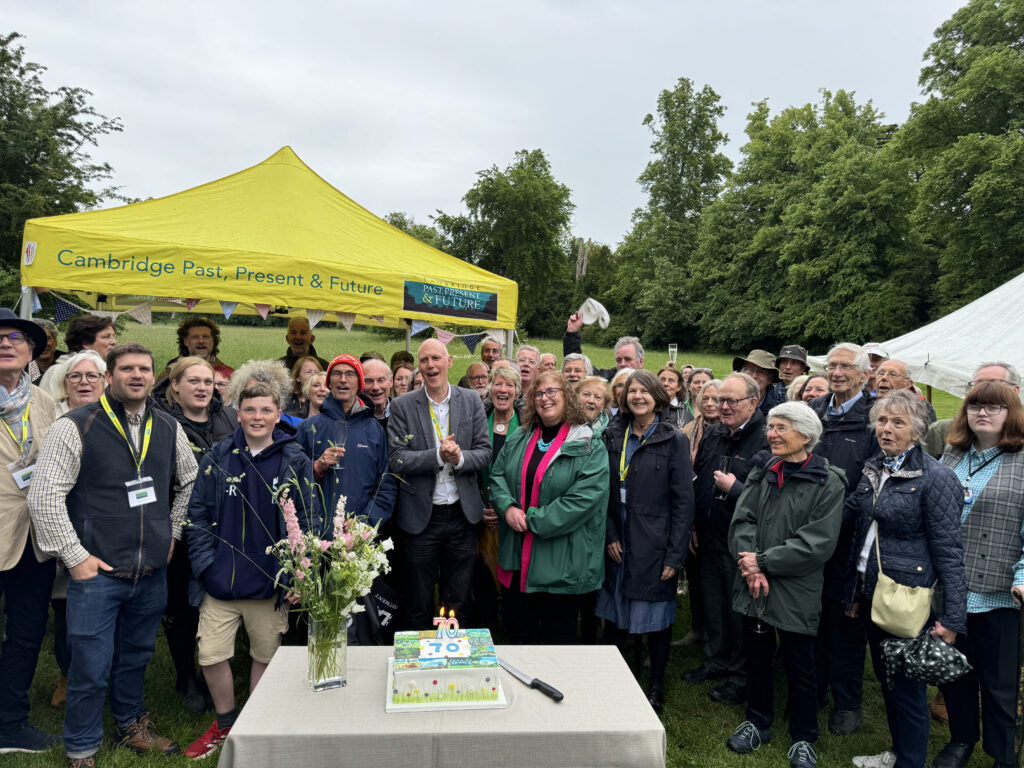
It has been an honour to have led such a remarkable charity and I will be handing over to an excellent team of staff, trustees and volunteers, who will be led by our new CEO, Mike Hakata. Mike Hakata joins CPPF as Chief Executive from a senior leadership role at Haringey Council, where he served as Cabinet Member for Environment, Transport and Climate Emergency. During his time there, he directed the borough’s conservation strategy, overseeing the protection of ancient woodlands, large-scale wildflower meadow planting, the designation of a new nature reserve, and eleven new Sites of Importance for Nature Conservation. He also shaped Haringey’s local plan to strengthen ecological and land management policies, and led a community tree-planting initiative that grew the annual total from 300 to 2,500 trees. In his own words, Mike describes this as “a pivotal moment for the charity and for Greater Cambridge,” and has committed to working with staff, volunteers and the wider community to shape the next chapter of CPPF’s stewardship as the charity approaches its centenary in 2028.
Finally, what will I be doing next? I have been suffering from Long Covid for the past two years, and I will be taking a break from work and focusing my efforts on getting well. I’ll also be watching keenly to see whether Cambridge can succeed in delivering growth that is greener and also protects what makes this such a beautiful and special city.