New homes, taller buildings and transport routes will shape Cambridge and its surrounding countryside for decades to come. The decisions made now will affect our water supplies, wildlife, historic places and the landscapes we enjoy.
Cambridge Past, Present & Future brings an independent voice to those decisions. We examine proposals, challenge harmful impacts and press for better solutions, asking a simple question: is this truly good enough for Cambridge?
An independent voice with practical influence
Over the past year, we reviewed and formally commented on 44 major development proposals across the area. Of the 34 applications decided so far, our evidence influenced the final decision in 17.
Our comments helped make the case for protecting countryside, reusing older buildings rather than demolishing them, and preserving historic details.
This work requires careful scrutiny. Looking closely at individual proposals can reveal opportunities to protect what matters and improve what gets built.
Shaping plans for growth
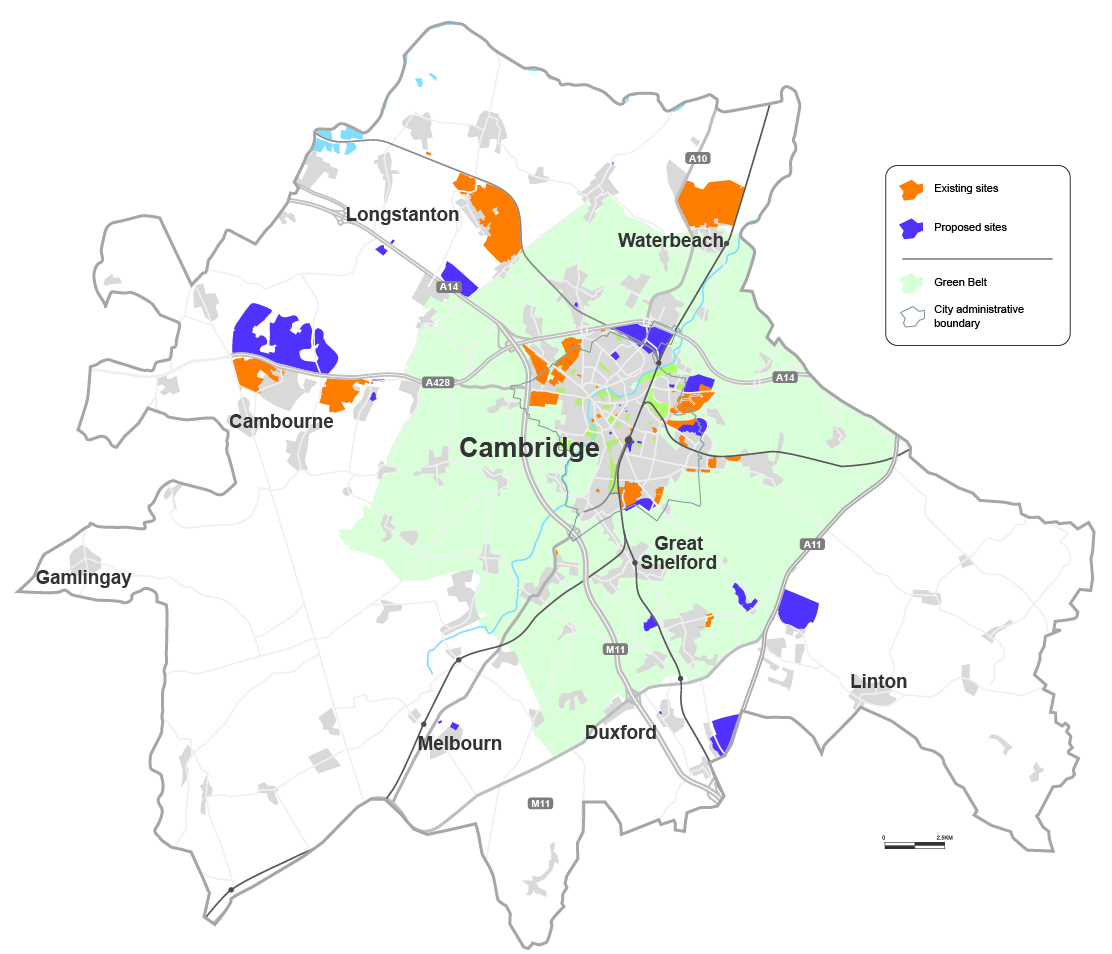
The Greater Cambridge Local Plan sets the long-term direction for development across Cambridge City and South Cambridgeshire.
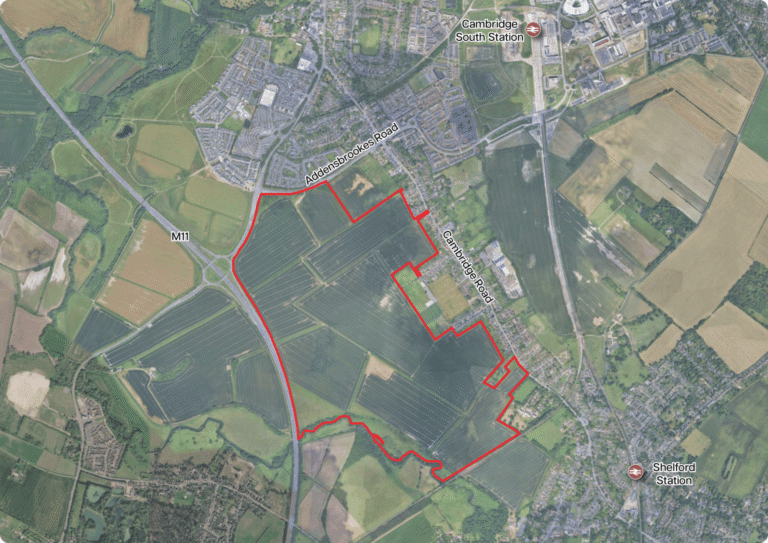
In reviewing the proposals, we raised concerns about the pressure that an additional 100,000 residents would place on water supplies, countryside and quality of life. We challenged proposals for tall buildings on nearby science parks and worked to reduce the impact of a proposed major new village just two miles from Wandlebury Country Park.
We also helped ensure that the Cambridge Nature Network is recognised in local policy. This joined-up map of habitats identifies opportunities to protect and reconnect wildlife areas across the region.
As Cambridge grows, these connections become increasingly important. Nature needs space within developments and routes through the wider landscape.
Better transport, carefully planned
Better public transport is essential to reducing congestion and helping people move around Greater Cambridge. Where new routes are built, and how they are designed, matters too.
For the Cambourne to Cambridge scheme, we worked with local partners to put forward an alternative using the existing A1303, avoiding a new route through open countryside and an orchard.
For the proposed South East route between the A11 and Cambridge Biomedical Campus, we developed an alternative along the existing A1307. Our aim was to protect farmland and countryside views while reducing the carbon emissions associated with constructing new infrastructure. More than 7,300 people signed our petition supporting that alternative.
Transport proposals should be tested against alternatives that could meet people’s needs with less harm to nature, landscape and heritage. Putting those alternatives forward is an important part of our work.
Help us speak up for Cambridge
Our planning work draws on the time and expertise of volunteer members of the Planning Committee and Heritage Watch Group. They examine proposals, assess their effects and help build the evidence behind our responses.
Members and supporters make this independent work possible. Their support enables CPPF to scrutinise decisions whose consequences may last for generations.
Greater Cambridge will continue to grow. We work to ensure that it grows with greater care for its countryside, historic places, wildlife and communities.
Become a Guardian of Cambridge and help support an independent voice for Cambridge’s future.